Dhamma · Reflection · Statements · Peaceful Communication
Archive and publication page · Use Search, Topics, or the Month & Year archive to locate related materials.

Office Of Siridantamahapalaka: April 2024

Chronological Archive

The Wise Reflection

Mindful Eating

Samanerapañhā

Mindful Living

The Wisdom of Paccavekkhaņā

A Journey into Health mp4

Ten Dhammas

the Kalama Sutta

Pyanñat vs Paramat

Understanding the Five Aggregates

The Unity of the Noble Eightfold Path

The Intricate Web of Salâyatana

Right Speech

Decoding the Eight Folds

The Path to Cessation

The Threefold Cycle

The Three Inter Relations

Journey Through Time Past, Present, Future

The Journey of Twenty Fulfilments

Democratizing Meditation

Happy Myanmar New Year

17.4.2024 မြန်မာနှစ်ဆန်း (1) ရက်။ ယနေ့ မြန်မာနှစ်ဆန်း (1) ရက်နေ့မှစ၍ မိမိတို့၏ မိဘဆရာသမားဆွေမျိုးညီအကိုမောင်နှမ ဒကာဒကာမတို့မှအစပြု၍ မြန်မာနိုင်ငံသားအားလုံး ကျန်းကျန်းမာမာ ချမ်းချမ်းသာသာဖြင့် သူတော်ကောင်းတရားများ ပွားများအားထုတ်နိုင်ကြပါစေ။ မင်းကောင်းမင်းမြတ်များနှင့်သာ ကြုံတွေ့နိုင်ကြပါစေ။ မည့်သည့်ဒေသတွင်မှ စစ်ဘေးရှောင်ရသည်များ မရှိပဲ မိမိတို့၏နေရာဌာန အသီးသီး၌သာ အေးချမ်းသာယာစွာ လုပ်ကိုင်စားသောက်နိုင်ကြပါစေ။ ကလေးငယ်များအားလုံး မည်သည့်ဘေးရန်မှ မကြုံတွေ့ရပဲ မိသားစုနှင့်အတူတူ ချစ်ချစ်ခင်ခင်နေထိုင်ကာ စားစရာ ဝတ်စရာပြည့်စုံ လုံလောက်စွာဖြင့် အေးချမ်းစွာ ပညာသင်ကြားနိုင်ကြပါစေ။ လူငယ်လူရွယ်များ ဘေးရန်ကင်းစွာ စိတ်ချမ်းသာစွာဖြင့် မိမိတို့၏ဘဝ ကြီးပွားရာကြီးပွားကြောင်း ရည်ရွယ်ချက်ပန်းတိုင်များကို အကောင်အထည်ဖော်နိုင်ကြပါစေ။ မြန်မာနိုင်ငံတော်ကြီး ယနေ့နှစ်ဆန်း (1) ရက်နေ့မှစ၍ အမြဲတန်း အေးချမ်းသာယာပါစေကြောင်း ဆုတောင်းမေတ္တာပို့သလိုက်ရပါသည်။

The Rupakkhandhã

Perception

Understanding Sankharakkhandha

Exploring Ayatanas

Mastering the Art of Meditation

ရူပ 1

The Wheel of Life

The Path of Insight

Stepping Up to Vipassanâ

Mastering Mental Concentration

The Universal Chant

The Intricate Web of Salâyatana

Understanding the Five Aggregates

Pyanñat vs Paramat

The Five Aggregates

Right Speech The Path to Mindful Communication

Jâti The Four Ways of Forming a New Life

Perception Unveiled The Six Facets

Unraveling the Noble Eightfold Path

The Enlightened Path of Sukkhavipassaka

Understanding Marana

Kammabava The Exertion of Action

The Enlightened Path of Sukkhavipassaka

King Kanishka the Great: The Colossus of Kushan India


A Monarch Without Equal

After Emperor Ashoka (3rd century BCE), India waited 600 years for a ruler of comparable grandeur—Kanishka I (c. 127–150 CE). His Kushan Empire stretched from Mathura to Afghanistan, with its capital at Purushapura (modern Peshawar, Pakistan).

The Mathura Statue: A Royal Puzzle Solved

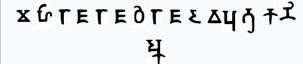
In 1864 CE (2407 BE), archaeologist Alexander Cunningham unearthed a headless red sandstone statue at Katra Mound, Mathura. The figure’s legs faced opposite directions—a mystery until its Brahmi-inscribed base revealed:

"Mahārāja Rājadhirāja Devaputra Kāṇiṣka"
(“The Great King, King of Kings, Son of God, Kanishka”)


  • Significance:

    • Proves Kanishka’s patronage of Mathura’s art school, which blended Hellenistic and Indian styles.

    • Titles echo Ashoka’s Devanampiya (“Beloved-of-the-Gods”), but with Persian-inspired Rājadhirāja.

  • Current LocationMathura Museum, Uttar Pradesh.


Kanishka’s Buddhist Legacy

  1. Fourth Buddhist Council:

    • Convened at Kundalvana, Kashmir (c. 78 CE)—standardized Sarvāstivādin texts and birthed Mahayana Buddhism.

    • Attended by 500 monks, including the philosopher Vasumitra and poet Ashvaghosha.

  2. Coinage Revolution:

    • Issued gold coins depicting BuddhaShiva, and Iranian deities—a multicultural empire’s hallmark.

  3. Gandharan Art:

    • His reign perfected the Greco-Buddhist style (e.g., Kanishka Reliquary from Shah-ji-Dheri).


Xuanzang’s Account (7th c. CE)

The Chinese pilgrim recorded:

  • Kanishka built a 400-foot stupa at Peshawar, housing Buddha’s alms bowl (later destroyed by Mughals).

  • His conquests matched Ashoka’s, but his religious tolerance included Zoroastrianism and Hinduism.


Why Kanishka Matters Today

  • Bridge Between Worlds: His empire linked Rome, China, and India via the Silk Road.

  • Buddhist Icon: The Kanishka casket (found in 1908) proves his role in spreading Buddhism to Central Asia.

Did You Know? The Kanishka era (started 78 CE) is still used in Nepal’s Bikram Sambat calendar!

(Note: Debate persists over Kanishka’s dates—some scholars place him in the 2nd c. CE.)


The Sacred Legacy of Lord Buddha's Plasma Stupa in Ancient India

In a remarkable testament to the enduring legacy of Lord Buddha's teachings and the profound impact of his final days, a tale unfolds that intertwines suffering, faith, and reverence. According to ancient scripts recounting the final days of Lord Buddha, it is told that he endured a profound affliction—bleeding per rectum, a condition often associated with dysentery. As he approached the end of his earthly journey, the Enlightened One faced excruciating pain, with each passing moment marked by the agony of bloody diarrhea. It is speculated that these symptoms align with those of Entamoeba histolytica, a parasitic amoeba known to cause dysentery. Despite the immense suffering, the compassionate physician of Lord Buddha attended to him diligently. Yet, in the wake of his passing, the remnants of his ailment became relics imbued with profound significance. Seven vessels containing Lord Buddha's blood, the poignant remnants of his earthly ordeal, remained under the care of his physician.
However, in a twist of fate, these relics found their way into obscurity, relegated to the confines of a stupa with little regard. It was only when news of these relics reached the ears of His Majesty King A. Jata. Sat that their significance was recognized. Moved by reverence and a sense of duty, King A. Jata. Sat retrieved the relics from the physician's stupa and brought them into his kingdom. Yet, the journey of these relics did not end there. With the passage of time and the shifting tides of history, His Majesty King Kanishaka emerged victorious in conquest, bringing the relics under his domain. Among the treasures he discovered within the stupa were three vessels containing Lord Buddha's blood, a poignant reminder of the Enlightened One's mortal suffering and transcendent wisdom. In a gesture of profound veneration, His Majesty King Kanishaka honored these relics by creating a stupa dedicated to preserving their sanctity. Within the walls of this sacred monument, the blood of Lord Buddha, once a testament to mortal suffering, became a symbol of spiritual transcendence and enlightenment. The preservation of Lord Buddha's blood plasma for over 2600 years defies conventional understanding, yet it finds its explanation in the advanced medical knowledge of the time. During that era, physicians like Zewaka were adept at surgical procedures, including brain operations. It is through the application of such refined medical techniques that the precious blood plasma of Lord Buddha was securely kept, ensuring its preservation through the ages Today, these blood stupas stand as testament to the enduring legacy of Lord Buddha, a reminder of the transformative power of suffering and the eternal resonance of his teachings. Through the ages, they continue to inspire reverence and contemplation, inviting all who encounter them to reflect on the profound truths they embody.